
Table of Contents
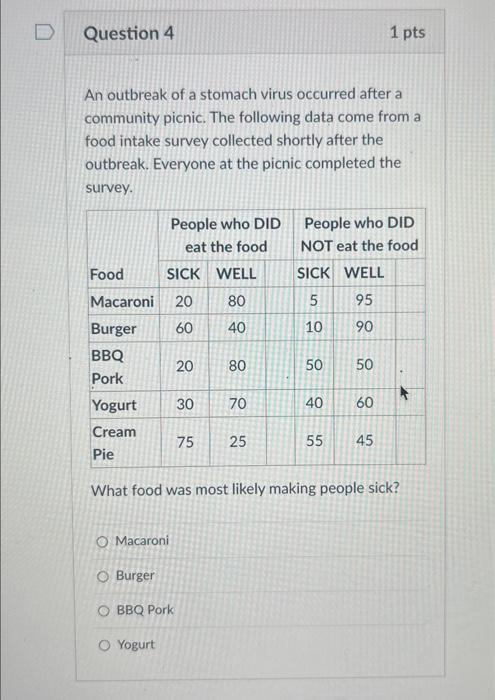
- Solved An outbreak of a stomach virus occurred after a | Chegg.com
- Six die from methanol poisoning in Cape Town | GroundUp
- (PDF) Prevalence of Human Bocavirus in Africa and Other Developing ...
- Western Cape hospitals face crisis as DA fights to open hotspot beaches ...
- Catastrophic Contagion, a simulation for “Severe Epidemic Enterovirus ...
- Beneficial Viruses, Including Bacteriophages And Retroviruses Royalty ...
- A letter warning against a stomach virus goes viral in Penampang | New ...
- Cape Town narrowly escaped germ 'catastrophe' in 2016, Mayosi report ...
- epidemiology of ca stomach..........pptx
- Stomach Virus (Video 2014) - IMDb


What is Kawasaki Norovirus?


Symptoms of Kawasaki Norovirus


Transmission of Kawasaki Norovirus
Kawasaki norovirus is highly contagious and can spread through: Contaminated food and water Close contact with an infected person Touching contaminated surfaces and then touching the mouth or face Poor hygiene practices, such as not washing hands regularly
Kawasaki Norovirus in South Africa
According to the National Institute for Communicable Diseases (NICD), norovirus is a leading cause of gastroenteritis outbreaks in SA. The virus is particularly prevalent in areas with poor sanitation and hygiene, and among vulnerable populations such as young children and older adults. In recent years, there have been several reported outbreaks of Kawasaki norovirus in SA, particularly in schools, hospitals, and other healthcare facilities. These outbreaks have highlighted the need for improved hygiene practices, increased awareness, and enhanced surveillance to prevent the spread of the virus.
Prevention and Control Measures
To prevent the spread of Kawasaki norovirus, it is essential to practice good hygiene, including: Washing hands regularly with soap and water Avoiding close contact with people who are infected Avoiding contaminated food and water Cleaning and disinfecting surfaces regularly Practicing good food safety and handling practices In addition, healthcare facilities and other institutions can take measures to prevent outbreaks, such as: Implementing infection control measures, such as isolation and quarantine Enhancing surveillance and reporting of suspected cases Providing education and training on norovirus prevention and control Kawasaki norovirus is a significant public health concern in SA, particularly among vulnerable populations. By understanding the symptoms, transmission, and prevalence of the virus, we can take steps to prevent its spread and reduce its impact. It is essential to practice good hygiene, increase awareness, and enhance surveillance to prevent outbreaks and protect public health. By working together, we can reduce the burden of Kawasaki norovirus in SA and promote a healthier, safer community.Word count: 500